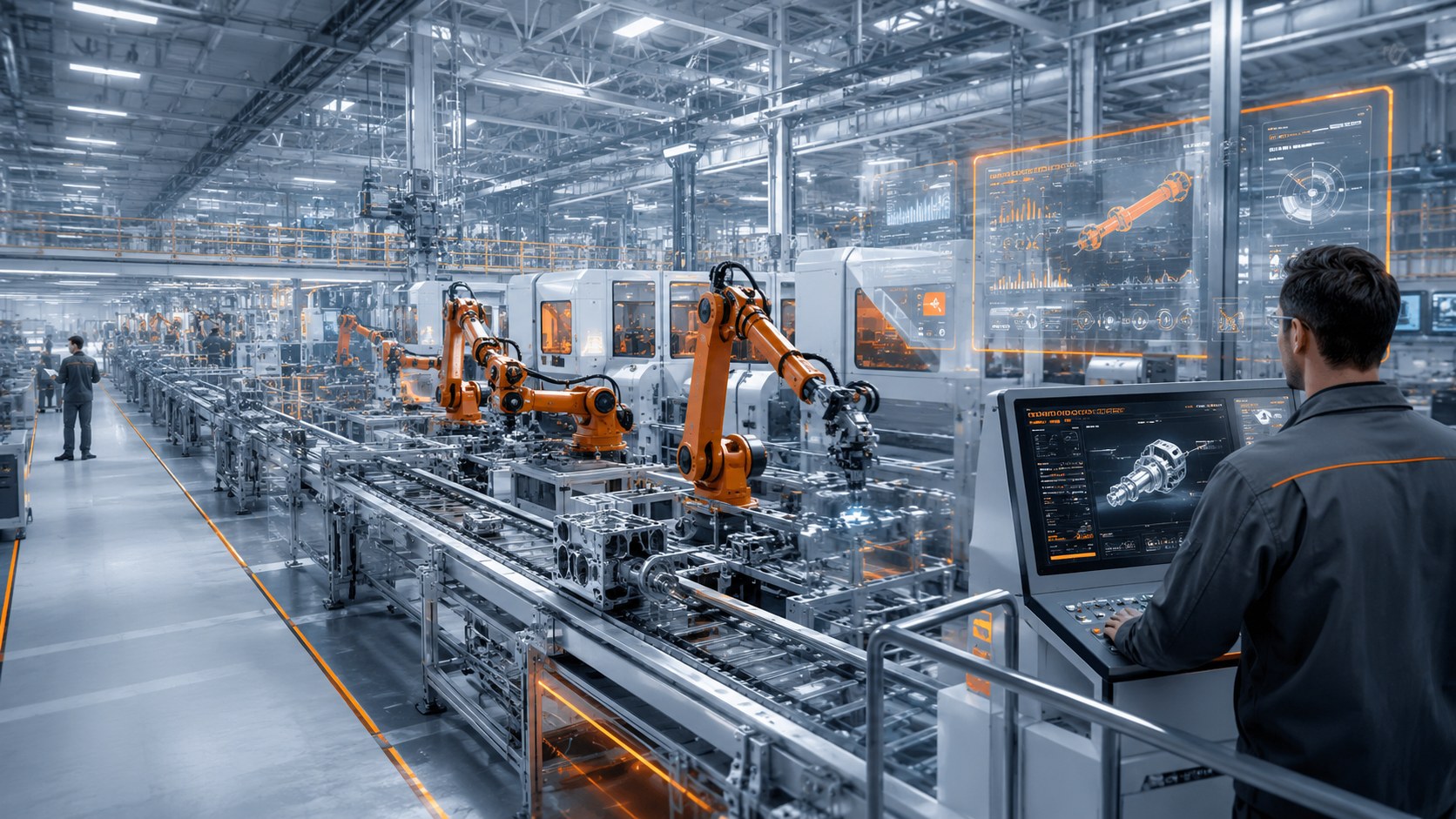
Industrial AI is rarely an edge-only or cloud-only decision. Production systems usually need a deliberate split between fast local execution and broader enterprise services.
What belongs at the edge
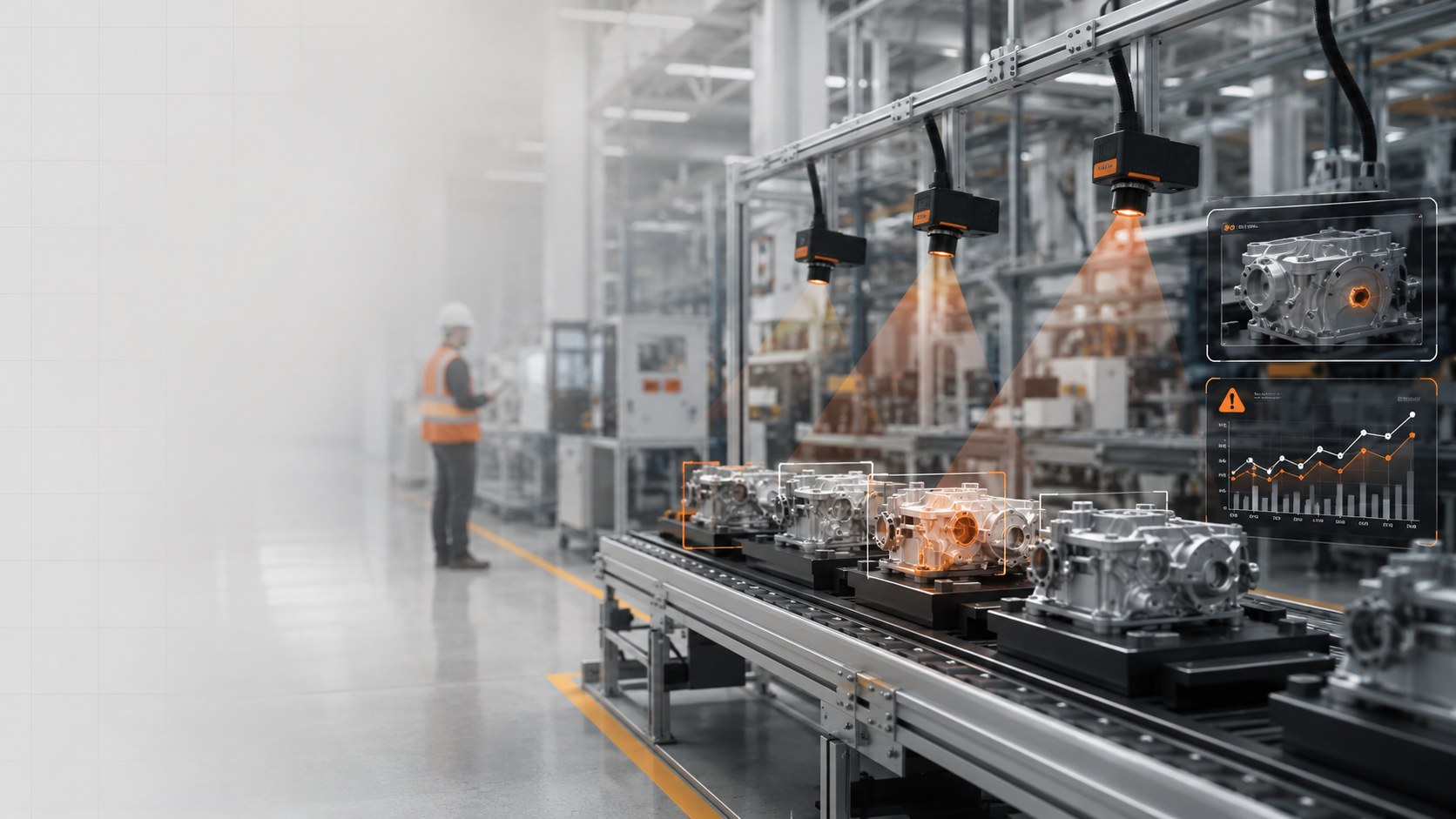
Safety monitoring, quality inspection, local alarms and machine-state decisions often require predictable response times. They should continue operating when a WAN link is slow or unavailable.
The edge also reduces unnecessary movement of video and high-frequency telemetry, which can improve privacy, cost and operational resilience.
- Low-latency inference
- Local buffering and store-and-forward
- Site-level rules and alarm workflows
- Operation during network loss
What belongs in the cloud or data centre
Cross-site comparison, portfolio reporting, model governance and long-horizon analytics benefit from central services. This is where teams can compare plants, manage versions and coordinate enterprise workflows.
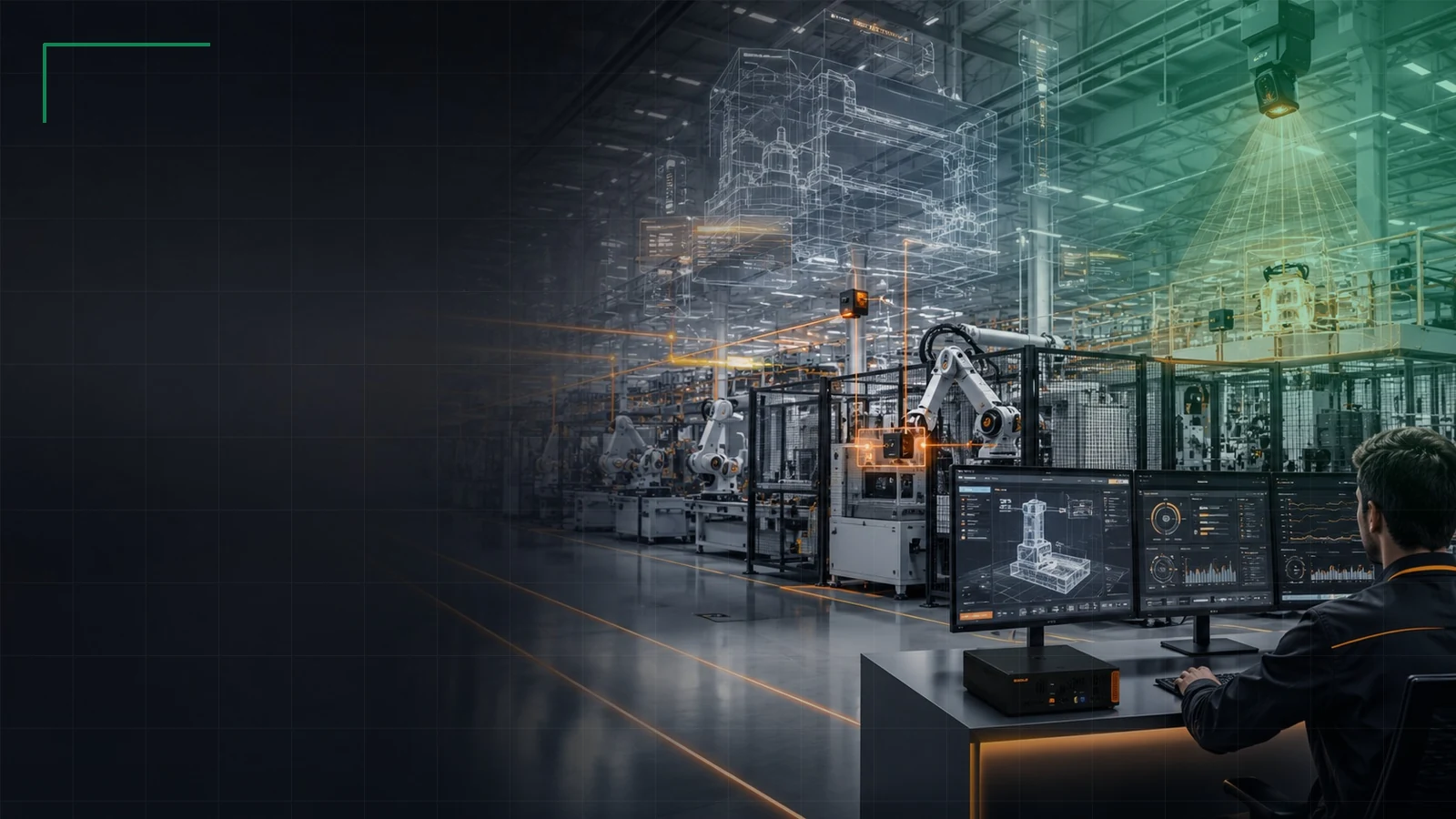
A hybrid architecture allows the local system to keep running while central services add scale, governance and shared intelligence.
Choose by consequence, not fashion
The deployment decision should start with the operational consequence of latency or disconnection. A model that identifies a defect before a product leaves the station has different needs from a monthly energy forecast.
Delfers platforms support on-premise, hybrid and cloud patterns so the architecture can follow the real operating constraint.
Standards and primary sources used for context.
These links provide technical context. Their inclusion does not claim product certification or compliance unless explicitly stated elsewhere.
- OPC UA specificationsOPC FoundationOfficial published OPC UA specifications and companion information models.
- Sparkplug Specification 3.0Eclipse FoundationOfficial Sparkplug specification for MQTT-based industrial data integration.
- ISA/IEC 62443 seriesInternational Society of AutomationCybersecurity requirements and processes for industrial automation and control systems.