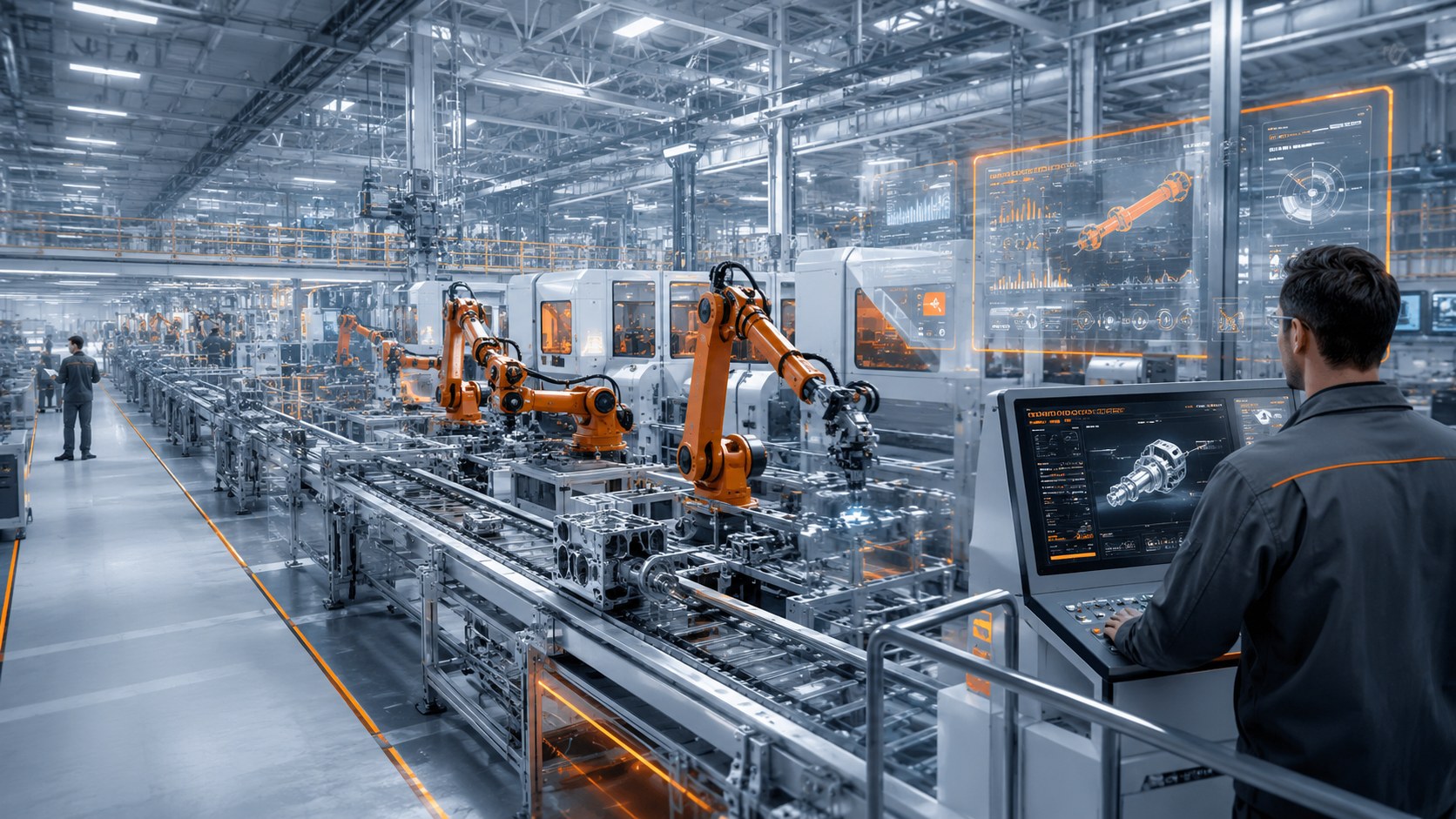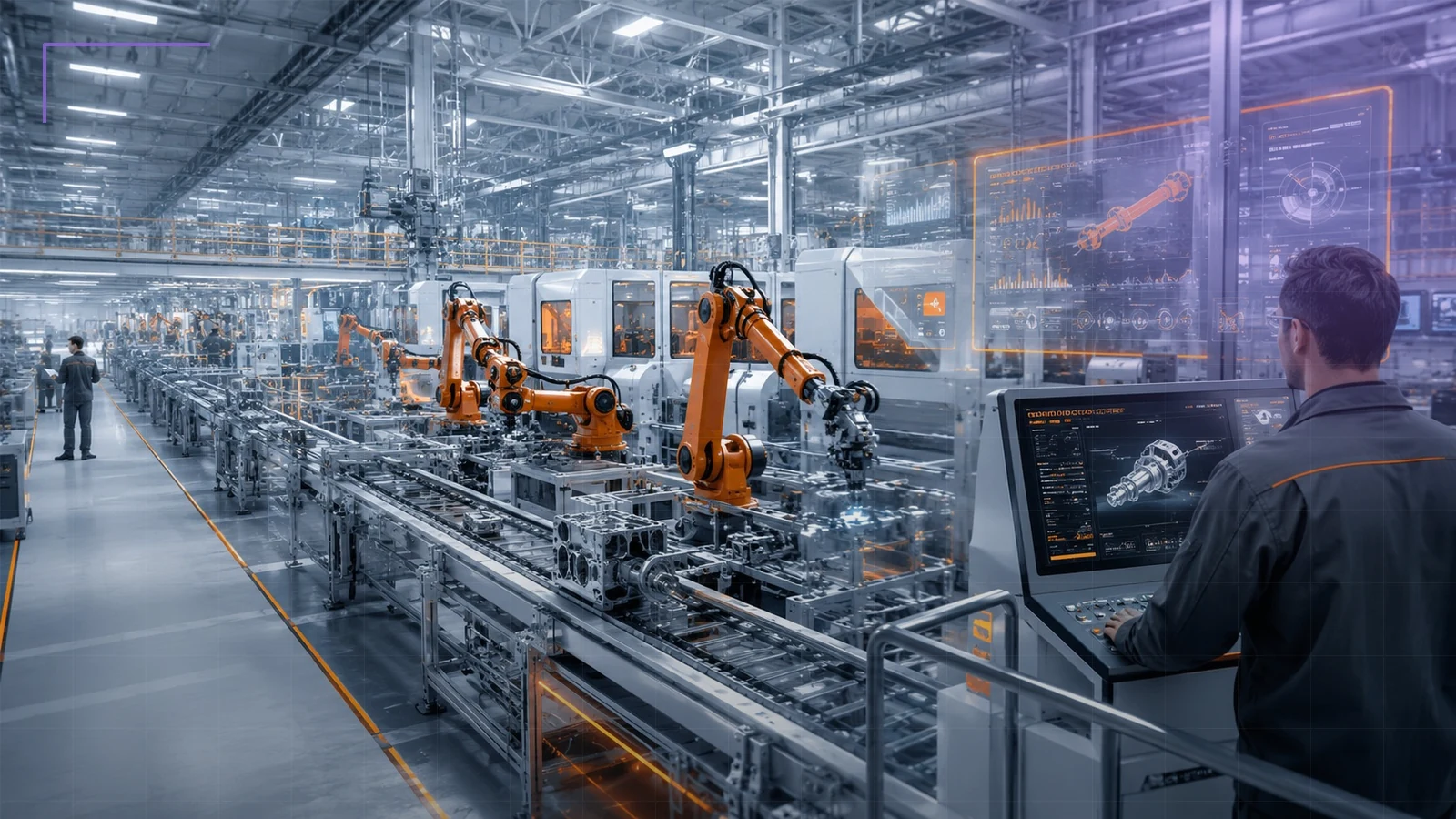
Troubleshooting becomes slower when evidence is scattered across historians, alarm systems, maintenance records and documents. Sentrix can organize this context and recommend a next investigative step while preserving citations and human authority.
Operational problem
Maintenance teams may spend substantial time locating the right trend, alarm history, previous work order or procedure. An AI assistant becomes risky when it fills gaps with plausible but unsupported explanations.
Signals and systems
The workflow can combine time-series data, alarms, events, maintenance history, manuals and approved procedures. Each source should retain its system, timestamp and access context.
Delfers architecture
Sentrix grounds the investigation in the asset model, retrieves relevant evidence and presents possible explanations with citations. It should state uncertainty and distinguish observed facts, hypotheses and recommended checks.
Human workflow
A technician or engineer reviews the evidence, chooses the next diagnostic action and records the result. The system supports the investigation but does not claim a confirmed root cause without supporting evidence and human confirmation.
Expected capability and evidence boundary
The design can support faster evidence gathering and a more consistent troubleshooting record. Resolution-time improvement and diagnostic accuracy require measurement against the deployed process.
Standards and primary sources used for context.
These links provide technical context. Their inclusion does not claim product certification or compliance unless explicitly stated elsewhere.