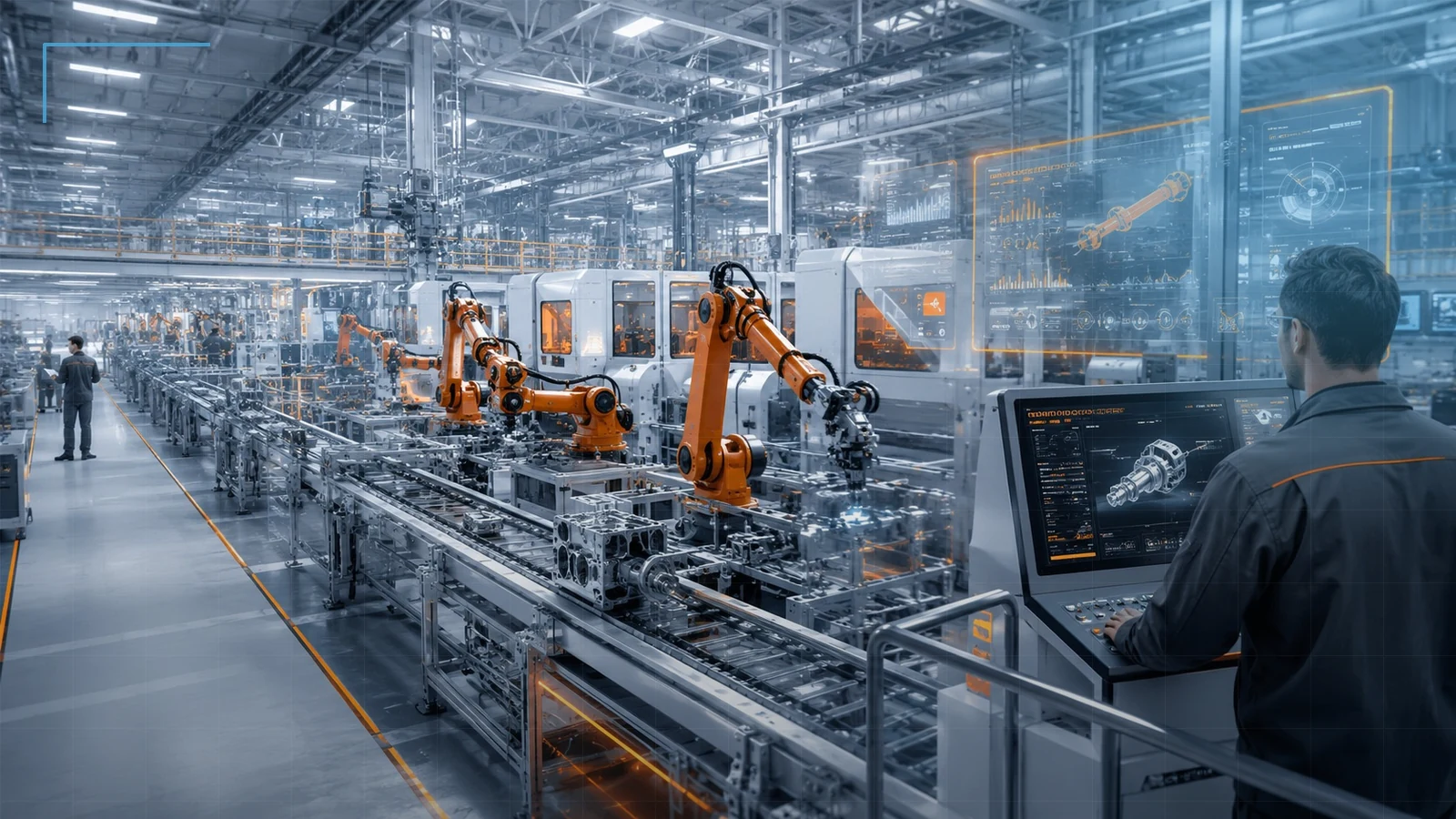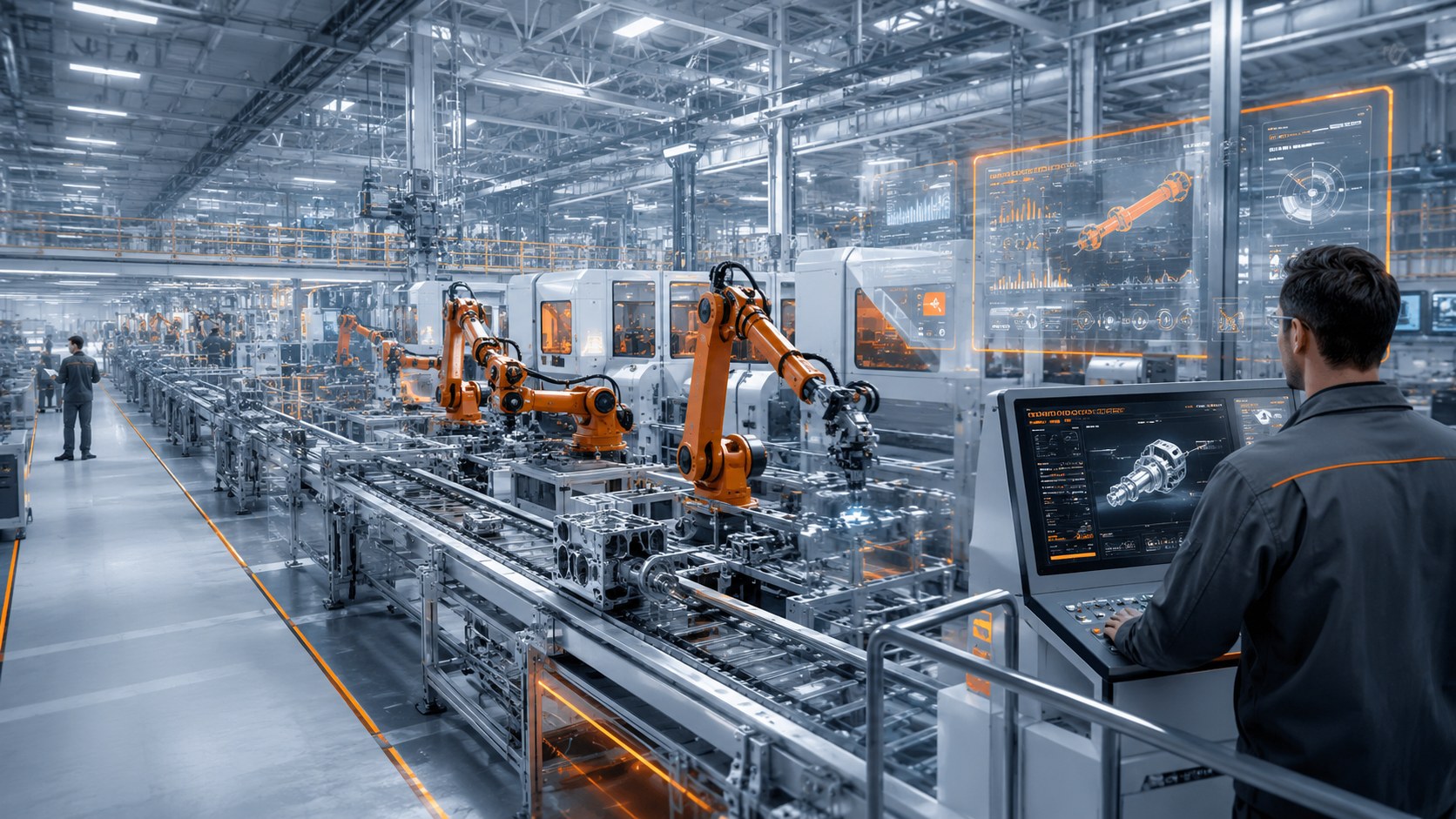
Energy data becomes actionable when it is connected to production state, asset behaviour, recipes and operating constraints. This brief describes how Cortex can structure that context without promising a specific energy-saving percentage.
Operational problem
Utility meters and production systems often report separately. A higher energy value may reflect a problem, a product mix change, a start-up condition or legitimate additional output. Without context, teams cannot distinguish waste from required consumption.
Signals and systems
The twin can combine electricity, fuel, steam, compressed air and water with production counts, recipes, equipment states and environmental conditions. The exact scope depends on the site and available instrumentation.
Delfers architecture
Cortex connects live signals to an asset and process model, aligns them with production context and supports scenarios that state their analytical basis, validity range and confidence. Portfolio views can compare sites while preserving local operating differences.
Human workflow
Engineering and operations teams review anomalies and scenarios together. Recommendations are presented with assumptions and constraints, then routed through the existing approval process before operational change.
Expected capability and evidence boundary
The design can support energy-intensity visibility, anomaly investigation and defensible scenario comparison. Any measured energy reduction or carbon outcome requires a documented baseline and verified post-deployment measurement.
Standards and primary sources used for context.
These links provide technical context. Their inclusion does not claim product certification or compliance unless explicitly stated elsewhere.
- OPC UA specificationsOPC FoundationOfficial published OPC UA specifications and companion information models.
- Sparkplug Specification 3.0Eclipse FoundationOfficial Sparkplug specification for MQTT-based industrial data integration.
- ISA-95 enterprise-control system integrationInternational Society of AutomationModels and terminology for integrating enterprise and control systems.