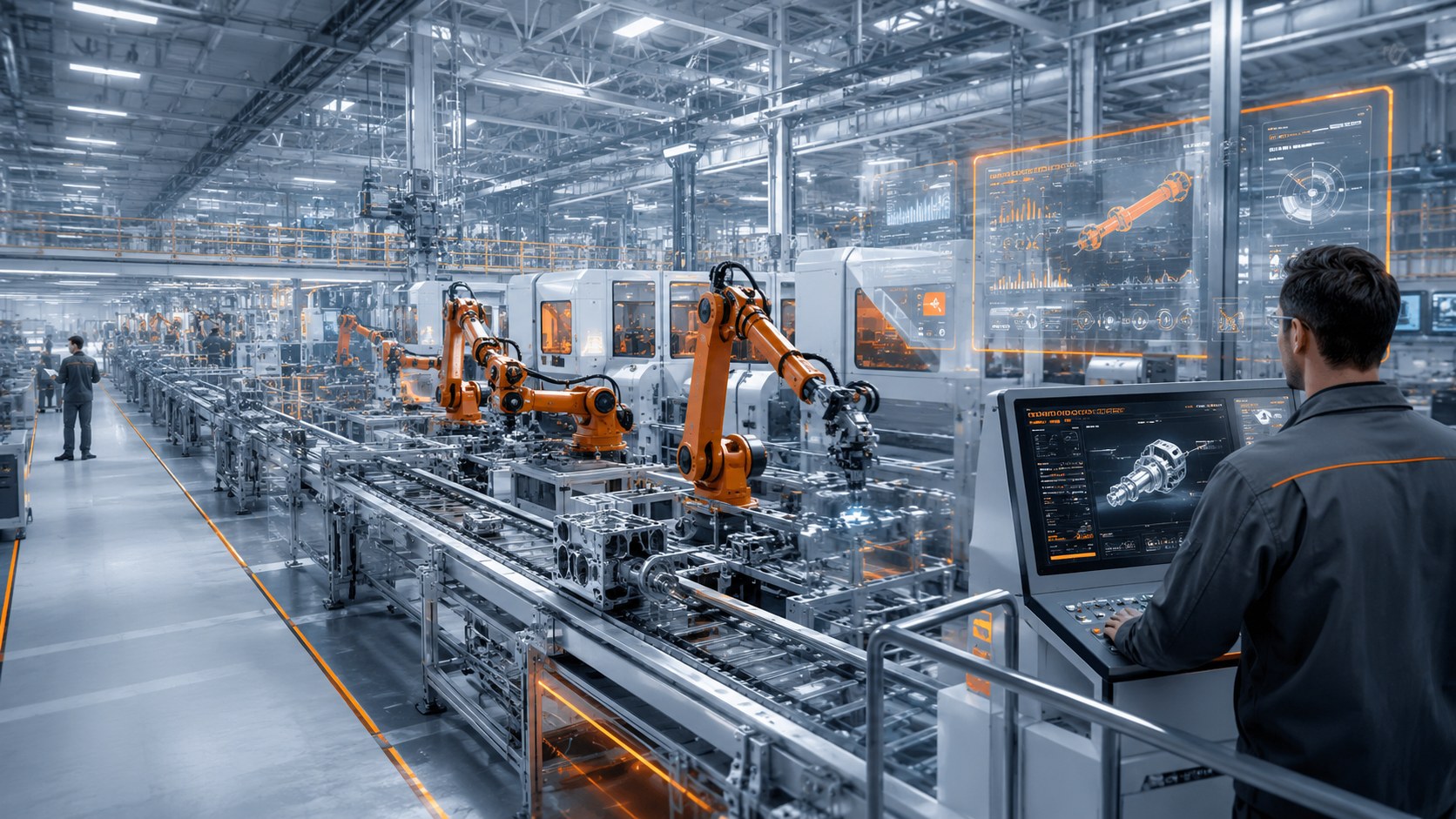
Safety vision systems should support the existing safety process, not replace it. The useful design question is how to detect a defined condition, preserve evidence, manage uncertainty and route the event to the correct human response.
Operational problem
PPE and zone compliance may be difficult to observe consistently across entrances, work areas and changing shifts. Camera blind spots, occlusion and environmental conditions can also limit what a system can reliably evaluate.
Signals and systems
A solution can combine existing or dedicated cameras, zone definitions, shift or access context, edge inference and incident systems. The camera position and lighting must be validated for the specific monitored condition.
Delfers architecture
VisionX applies a governed model at the edge, records the source frame and event context, and distinguishes detection from uncertainty or unavailable visibility. Retention and access policies should match the site security and privacy model.
Human workflow
Alerts are reviewed and handled under the site safety process. The system can assist with notification and evidence, while authorized personnel determine the response and final incident classification.
Expected capability and evidence boundary
The design can support broader visibility and consistent event evidence for defined conditions. It does not guarantee prevention of safety incidents or detection in every physical condition.
Standards and primary sources used for context.
These links provide technical context. Their inclusion does not claim product certification or compliance unless explicitly stated elsewhere.