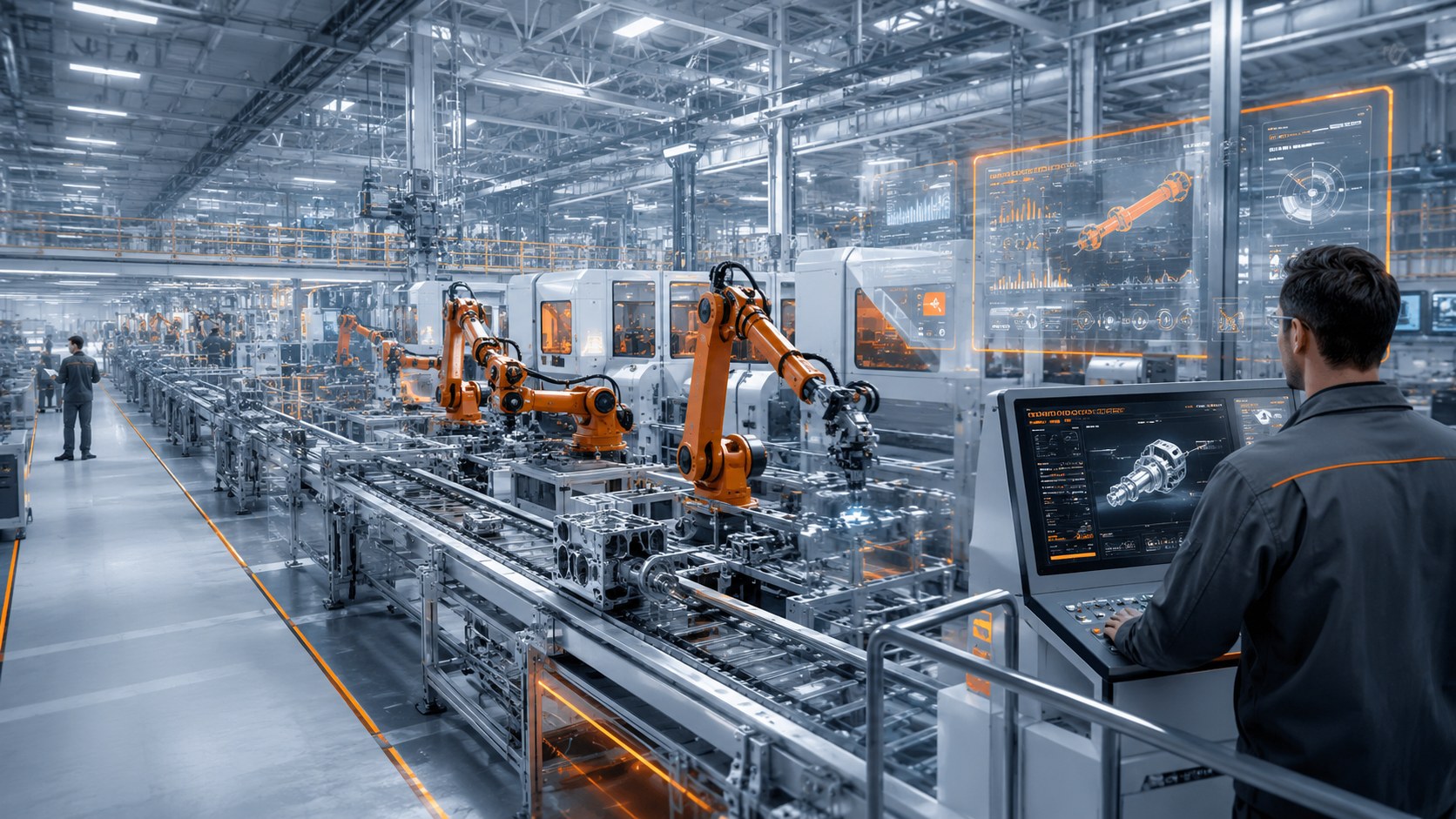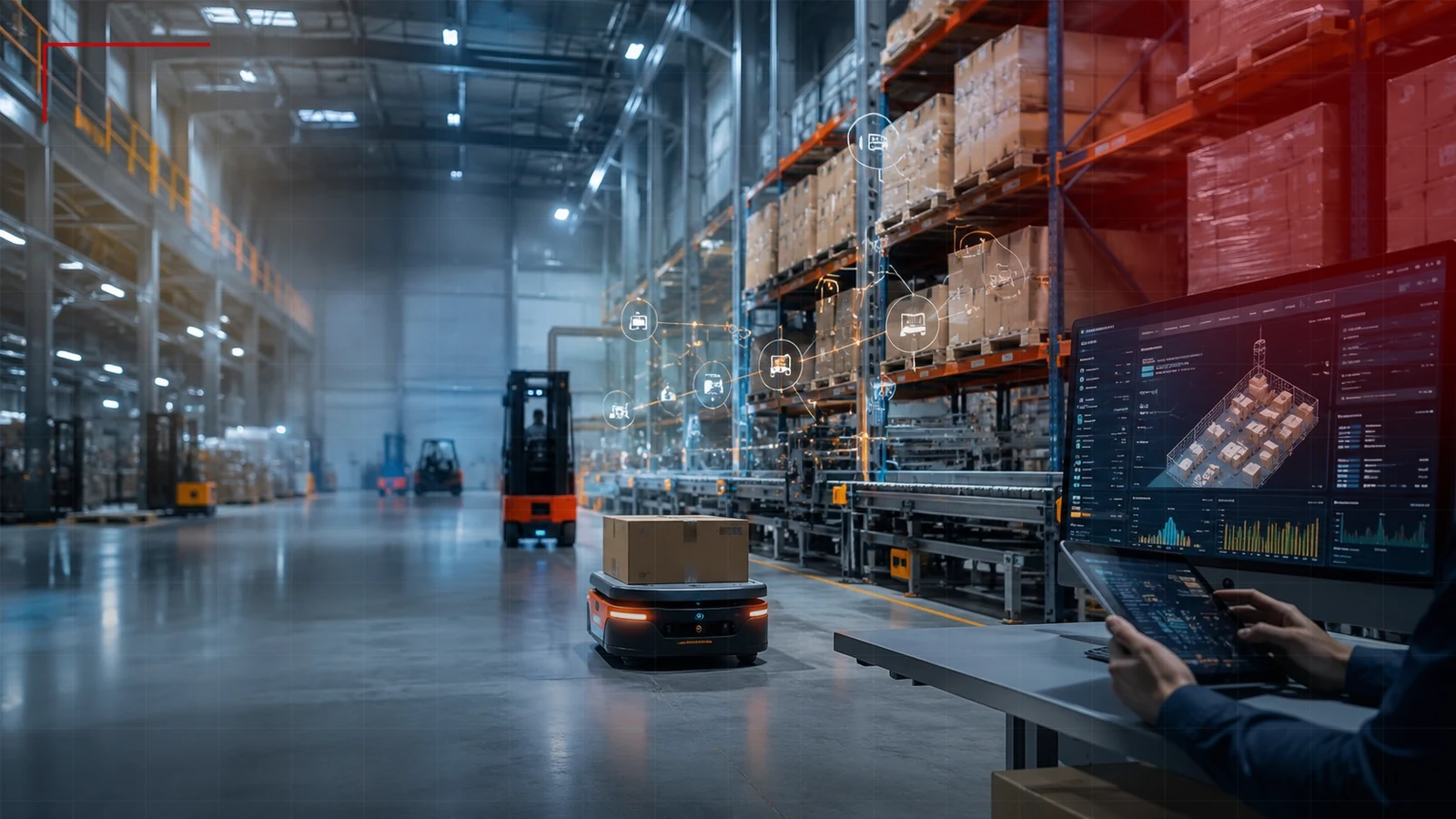
A computer-vision model is only one part of a reliable inspection system. Production performance depends on camera and lens selection, lighting, part presentation, data governance, edge deployment and the workflow used when the system detects or cannot evaluate a condition.
Operational problem
Manual inspection can vary by operator, line speed and defect visibility. A model trained on laboratory images may also underperform when lighting, motion, orientation or product mix changes on the line.
Signals and systems
The solution can include area or line-scan cameras, controlled lighting, triggers, encoder or PLC context, edge compute and integration with MES, quality or traceability systems.
Delfers architecture
VisionX manages camera streams, edge inference, model versions, thresholds, evidence and production events. The inspection result should identify the product, station, model version, timestamp and reason code.
Human workflow
Low-confidence or exceptional cases are routed for review. Confirmed defects can trigger hold, rework or escalation workflows. Feedback from reviewers supports controlled model improvement rather than silent retraining.
Expected capability and evidence boundary
The design can support consistent inspection, evidence capture and production traceability. Accuracy, false-reject rate, cycle time and scrap reduction must be measured for the specific line and defect set.
Standards and primary sources used for context.
These links provide technical context. Their inclusion does not claim product certification or compliance unless explicitly stated elsewhere.