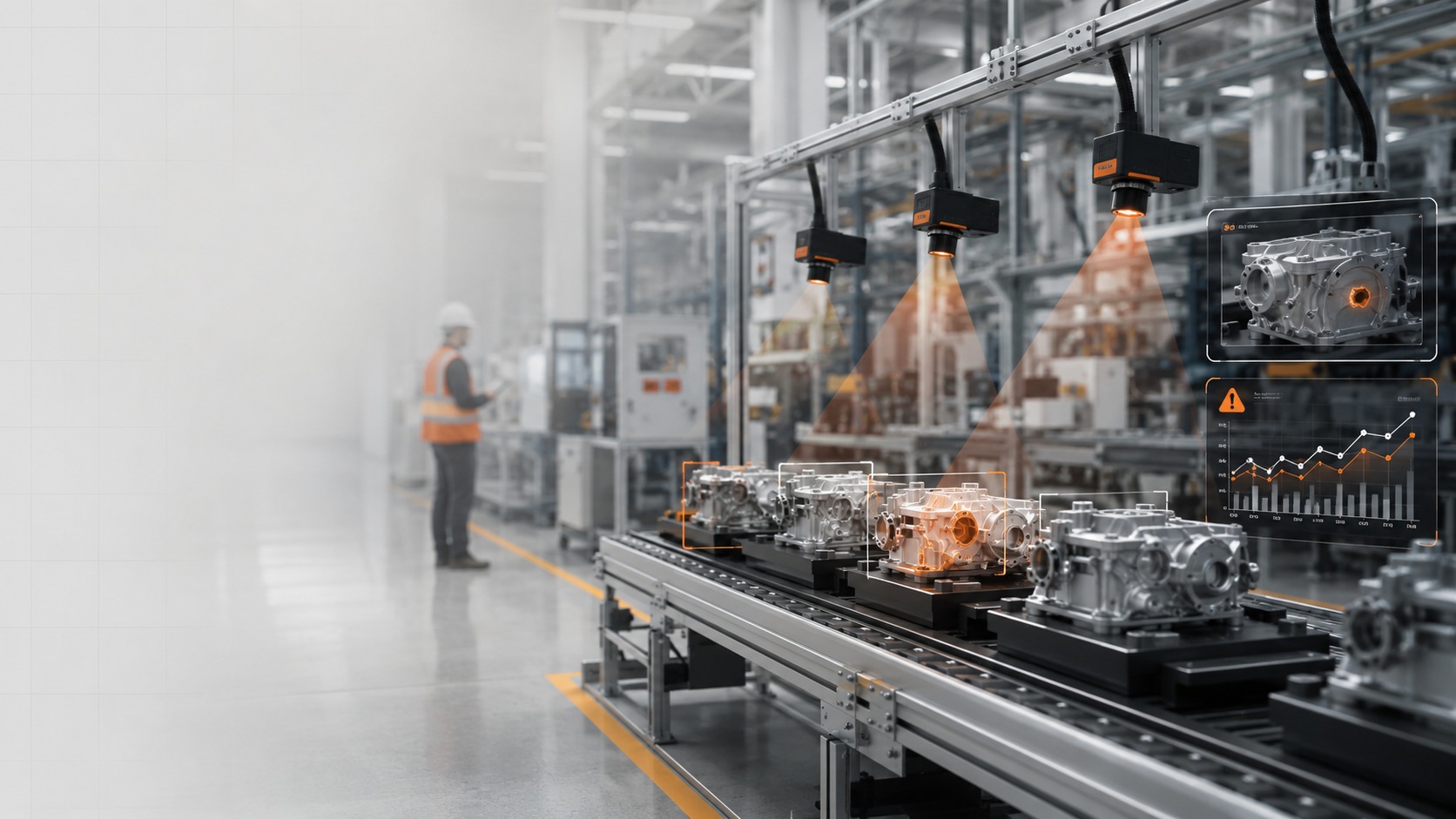
Computer vision can detect a defined condition quickly, but the factory still has to decide what to do with that evidence. The important integration is the quality workflow that connects the finding to production identity, disposition and corrective action.
Begin with identity
The system must know which unit, lot, work order and routing operation were being inspected. Without that context, even a correct detection may be difficult to act on.
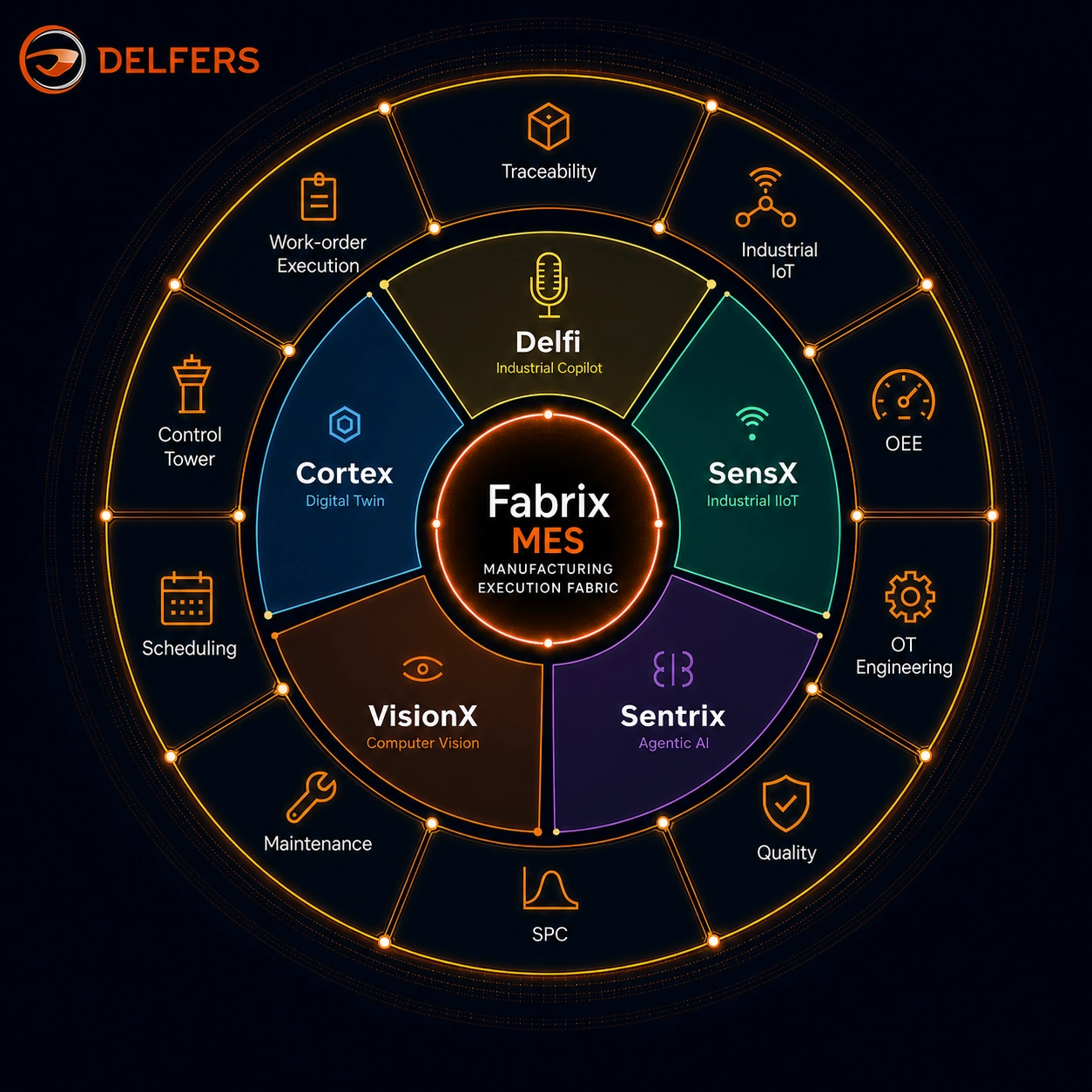
Fabrix provides the execution identity while VisionX provides the image, model result and inspection evidence. The integration joins those records at the operation boundary.
Translate the finding into a quality state
Not every visual finding should stop the line. Defect class, severity, confidence and process policy determine whether the result creates a warning, review queue, hold or non-conformance.
The workflow should also define what happens when the image cannot be evaluated due to lighting, obstruction or camera state.
Preserve evidence through disposition
Quality reviewers need the image, timestamps, unit genealogy and relevant machine context available together. That evidence should remain attached as the unit moves through review, rework, scrap or release.
When a CAPA is opened, the same record can support investigation without rebuilding context from several systems.
- Visual evidence and model version
- Unit and genealogy context
- Defect severity and hold reason
- Reviewer and disposition
- Rework or release event
- CAPA relationship where applicable
Measure the workflow, not only the model
Model performance matters, but operational performance also depends on review burden, image quality, response time, disposition consistency and whether inspection is placed at the correct point in the process.
A production deployment should review the complete workflow, not only an offline model metric.
Standards and primary sources used for context.
These links provide technical context. Their inclusion does not claim product certification or compliance unless explicitly stated elsewhere.